
Centuries old lineage,
Handed down over generations.
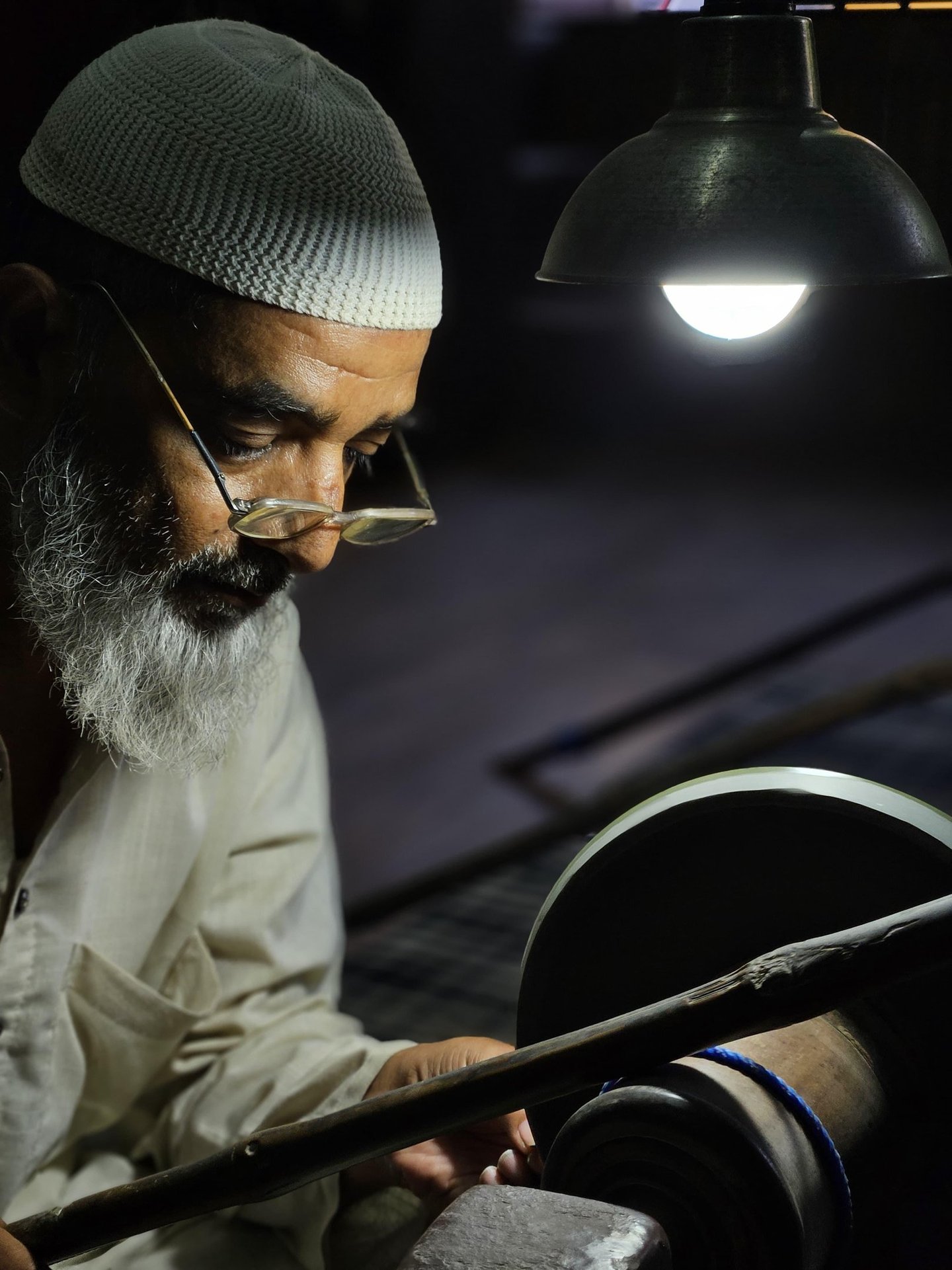
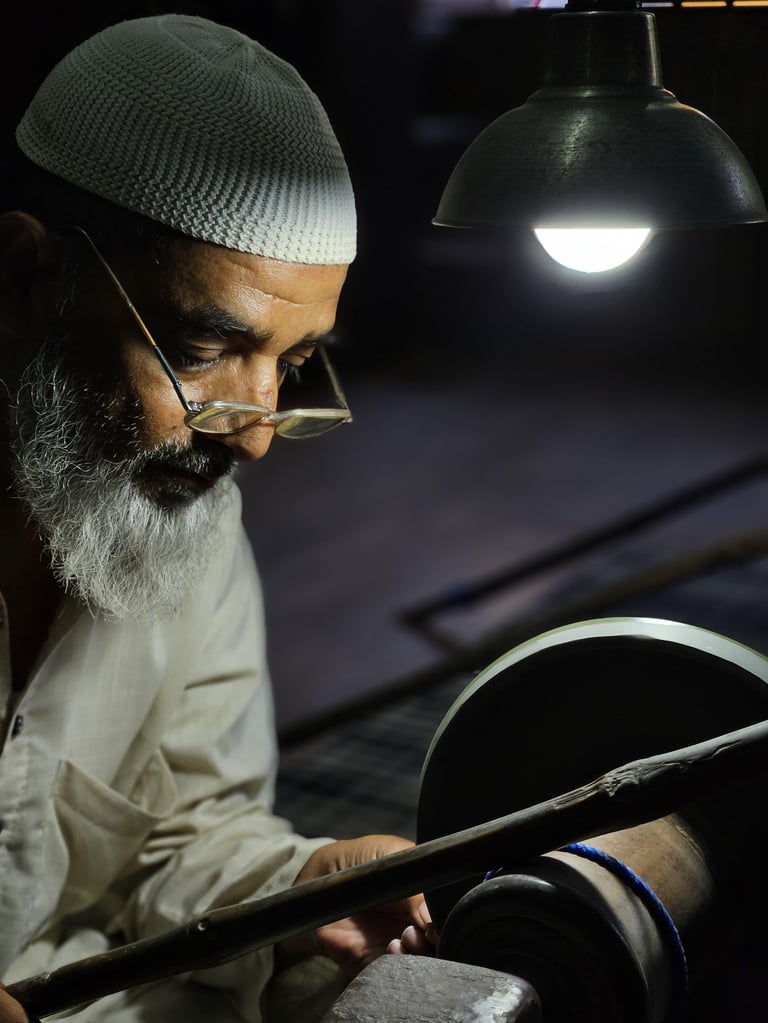
Art Gallery, Boutique & Workshop
Tables, Panels & Art Objects, hand crafted marble inlay with fine semiprecious stones.
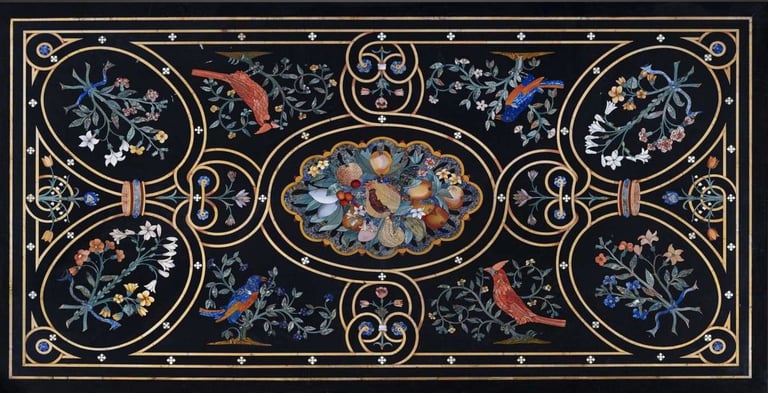
Subhash Emporium: A Legacy of Unparalleled Craftsmanship
Founded in 1962 as Marble Emporium, our journey started as a modest souvenir boutique, which offered its customers specially curated handcrafted marble and stone objects and collectibles.
Driven by a passion to revive Agra's cultural heritage art of "Parchin Kari", Marble Emporium formed small artisanal workshops to make its own high standard, artistic handcrafted objects of marble, inlaid with natural semiprecious gemstones, in traditional "Parchin Kari" art.
From becoming the cornerstone of fine Parchin Kari art, the founders pursued their philosophy of exemplary, and created a new entity in 1973. Subhash Emporium, was formed as a niche association of grand masters of "Parchin Kari" art, having unwavering dedication and focus on meticulous craftsmanship. Subhash Emporium soon became a name synonymous with exceptional quality in marble and stone artifacts.
However, Subhash Emporium's legacy is its collection of rare masterpieces designed by Shri U. C Bansal. Exhibited at its art gallery in Agra, these exceptional art works attracts hundreds of visitors and art enthusiasts globally, which is a testament to the artistry and skills of its highly trained designers and grand masters.
Subhash Emporium remains a beacon of excellence in Agra's marble inlay art, offering exquisite objects that can be admired and acquired at its exclusive gallery and through select partners worldwide.
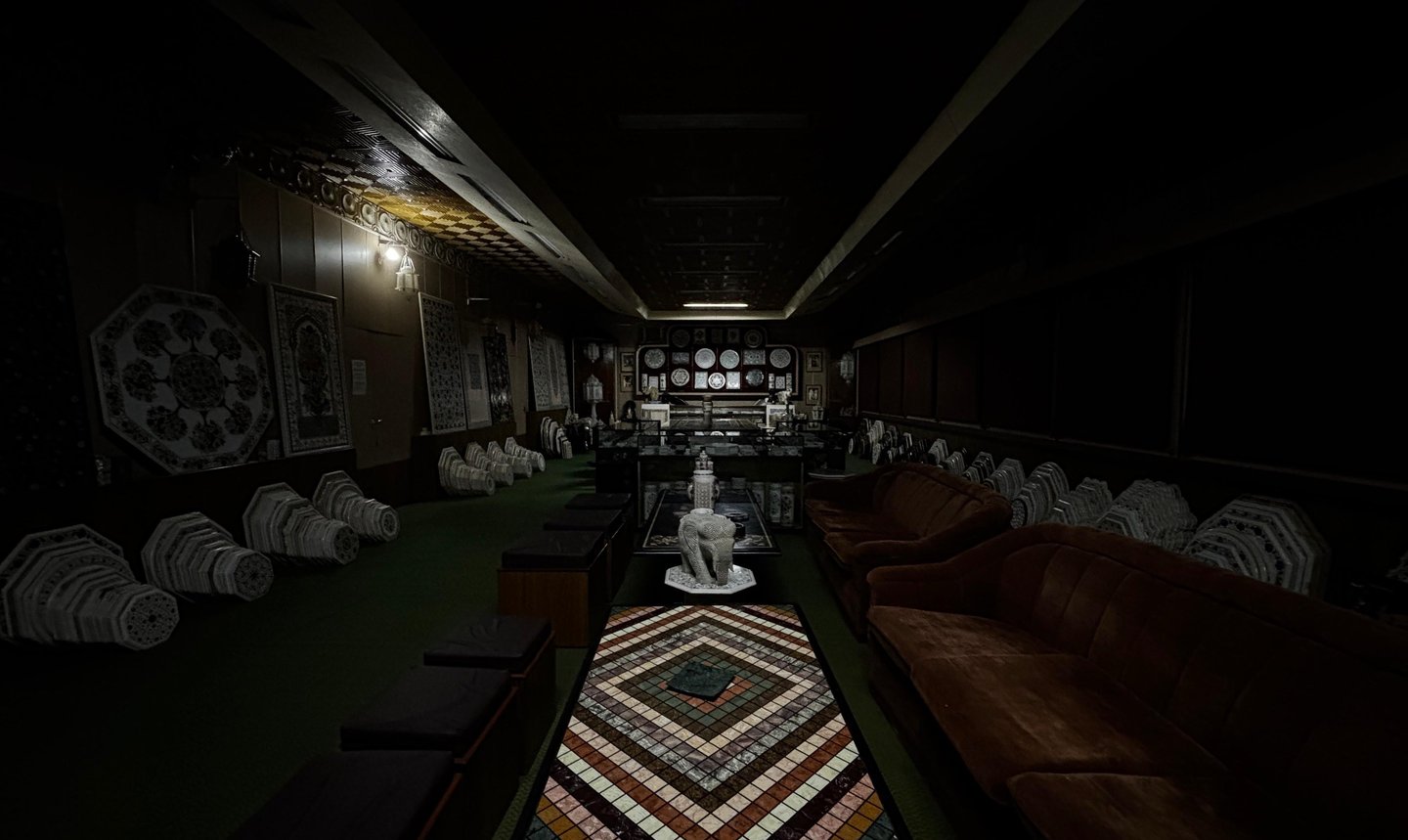
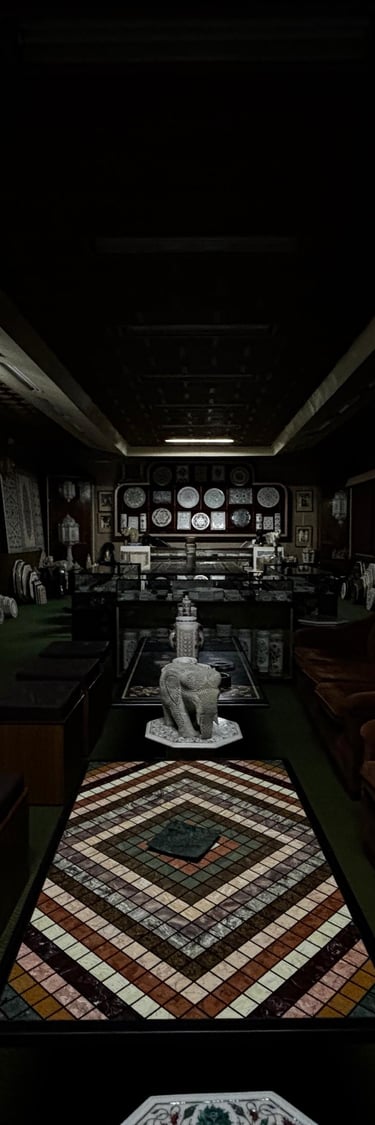
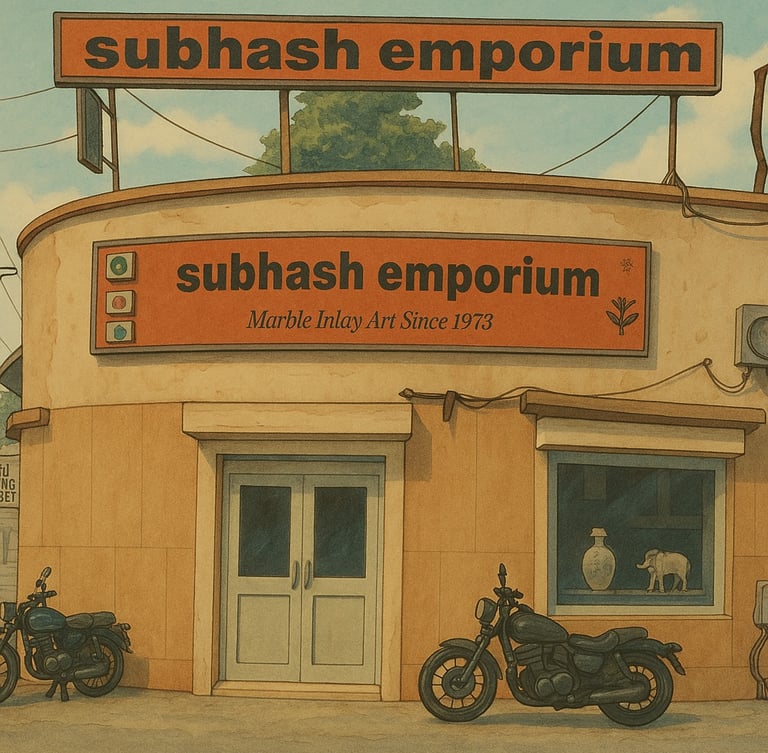
EXTERIORS OF THE GALLERY
Publication Testimonials
Subhash Emporium is the only workshop and gallery which is recommended by leading travel guides, magazines, online blogs and forums, as the most authentic gallery to appreciate and purchase genuine marble inlay art.
















*Click the icons to read more.




Contact Us
Reach out to us for an appointment to view our exclusive masterpieces and for any other inquiries about marble inlay art. We’re here to help!
+91 9410613616
inlayartisan@gmail.com
© Subhash Emporium 2026
All trademarks used are the property of their respective owners.
inlayartisan@gmail.com